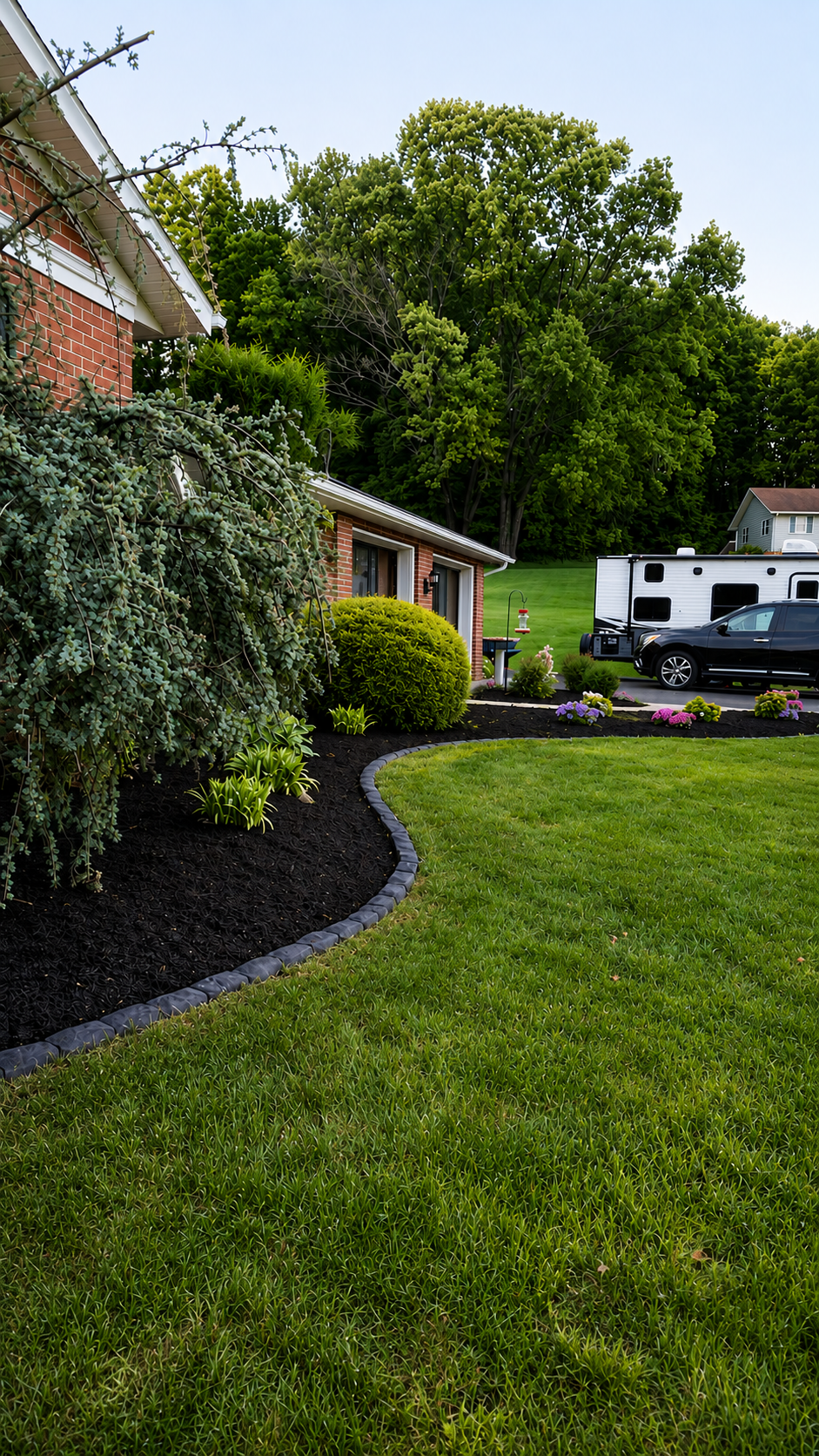
Create a Wildlife-Friendly Garden with Expert Tips from Saul’s Landscaping Aug 27, 2026
Understanding the importance of a wildlife-friendly garden is the first step. Gardens designed with wildlife in mind play a crucial role in supporting biodiversity. They provide food, shelter, and breeding grounds for birds, insects, and other small animals, which are essential components of our ecosystem. Establishing such an environment requires thoughtful planning and a few strategic changes, which can lead to a more vibrant and lively garden.
Start by choosing the right plants. Native plants are essential for attracting local wildlife; they offer the right kind of nourishment and are well-suited to the local climate. Saul’s Landscaping advises beginning with a mix of flowers, shrubs, and trees since this multi-layered approach caters to various species. For instance, birds may nest in trees, while bees and butterflies will benefit from nectar-rich flowers like coneflowers and goldenrods.
Water features can also make a significant difference in attracting wildlife. Even a small pond or birdbath can become a focal point that encourages birds and amphibians to visit and potentially inhabit your garden. Ensure that the water is clean and maintained regularly to prevent the growth of algae and breeding mosquitoes.
Creating habitats within your garden is another effective strategy. Piles of logs or stones can serve as shelters for amphibians and insects, while a few birdhouses can provide secure nesting sites for different bird species. Saul’s Landscaping suggests using organic materials such as untreated wood and natural fibers to ensure these habitats blend seamlessly into the natural surroundings without harming the local wildlife.
A key aspect of fostering a sustainable garden is to minimize the use of pesticides and fertilizers. These chemicals can be harmful to wildlife, particularly to beneficial insects like bees and ladybugs. Instead, consider adopting organic gardening practices. Companion planting, where certain plants naturally repel pests, can be an effective alternative.
Another important aspect is to maintain a garden with diverse micro-habitats. This includes having sunny spots, shaded areas, as well as damp and dry zones, which can support a wide range of wildlife. Allow some areas of the garden to grow wild, as these untouched spaces offer crucial environments for species that thrive in undisturbed habitats.
By integrating these thoughtful practices, not only will you contribute to local biodiversity, but you’ll also enjoy the perks of having a dynamic and natural outdoor space. Watching butterflies flutter, listening to birds sing, and seeing frogs hop about can bring a sense of peace and joy, connecting you more deeply with nature.
In conclusion, creating a wildlife-friendly garden requires a blend of the right plant choices, water features, habitat creation, and sustainable practices. Saul’s Landscaping Services is here to guide you every step of the way, ensuring your garden thrives as a sanctuary for wildlife while remaining an inviting place for you and your family to enjoy. Embrace these expert tips, and transform your garden into not just a visual delight, but an ecological wonder.
/filters:no_upscale()/filters:format(webp)/media/0d3ef2a1-4a41-41a7-9767-7efe025c33c9.jpeg)
/filters:no_upscale()/filters:format(webp)/media/b03fdfcb-2566-446f-811d-abf47bd96d60.jpeg)